Electric Kilns
Custom-built electric kilns with embedded control systems, custom PCBs, OTA firmware, and real-time telemetry via InfluxDB and Grafana.
Designed and built electric kilns from the ground up for metal casting and jewelry applications. The system spans hardware design through cloud telemetry — custom PCBs with optocouplers and SSRs, an ESP32 controller with OTA firmware updates, a browser-based firing schedule GUI, and a full InfluxDB + Grafana data stack for temperature logging and process visualization.
ESP32 Controller
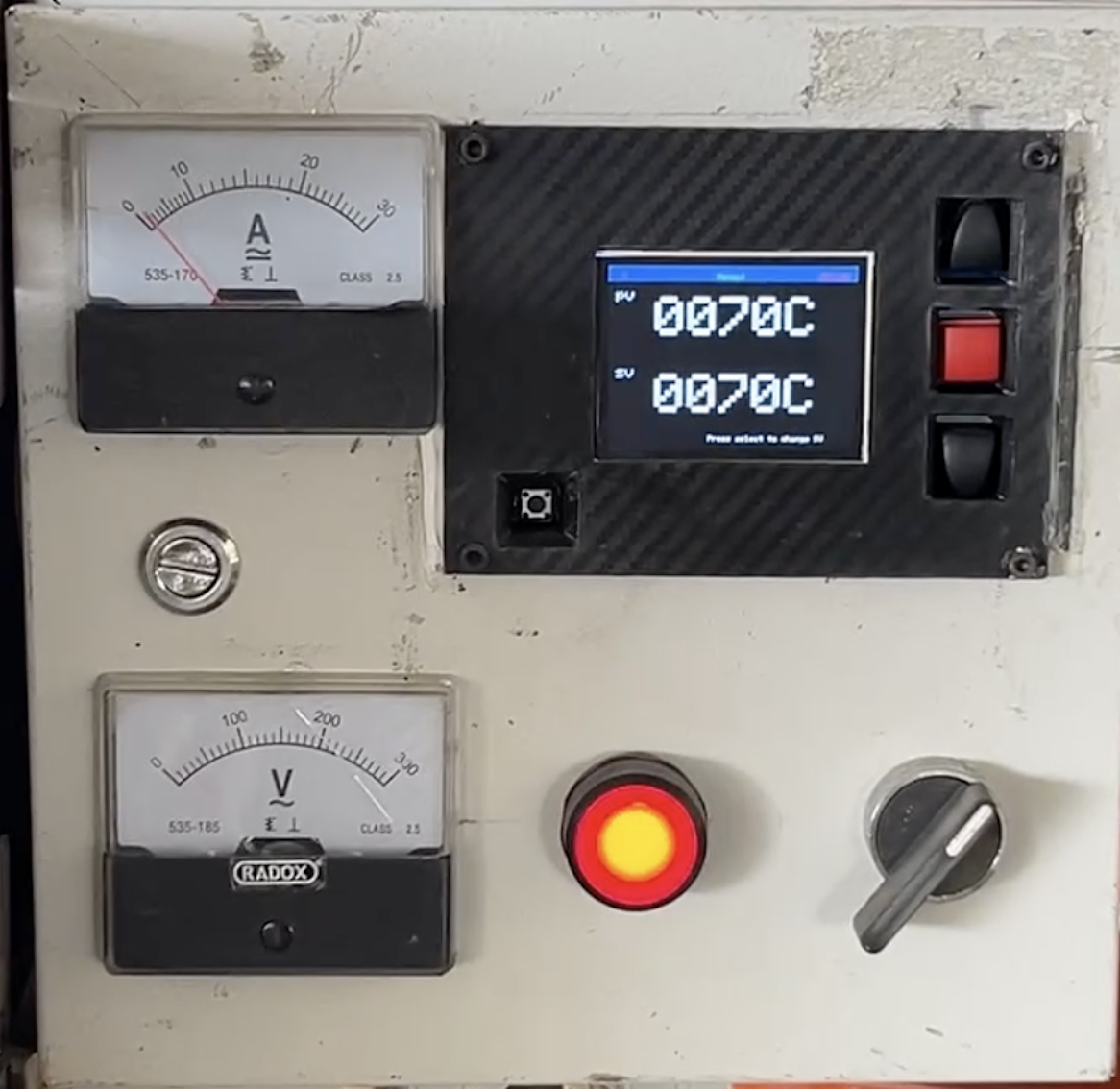
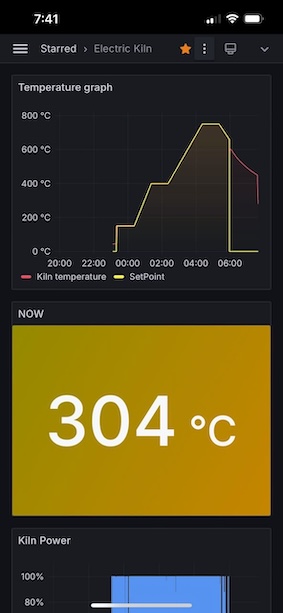
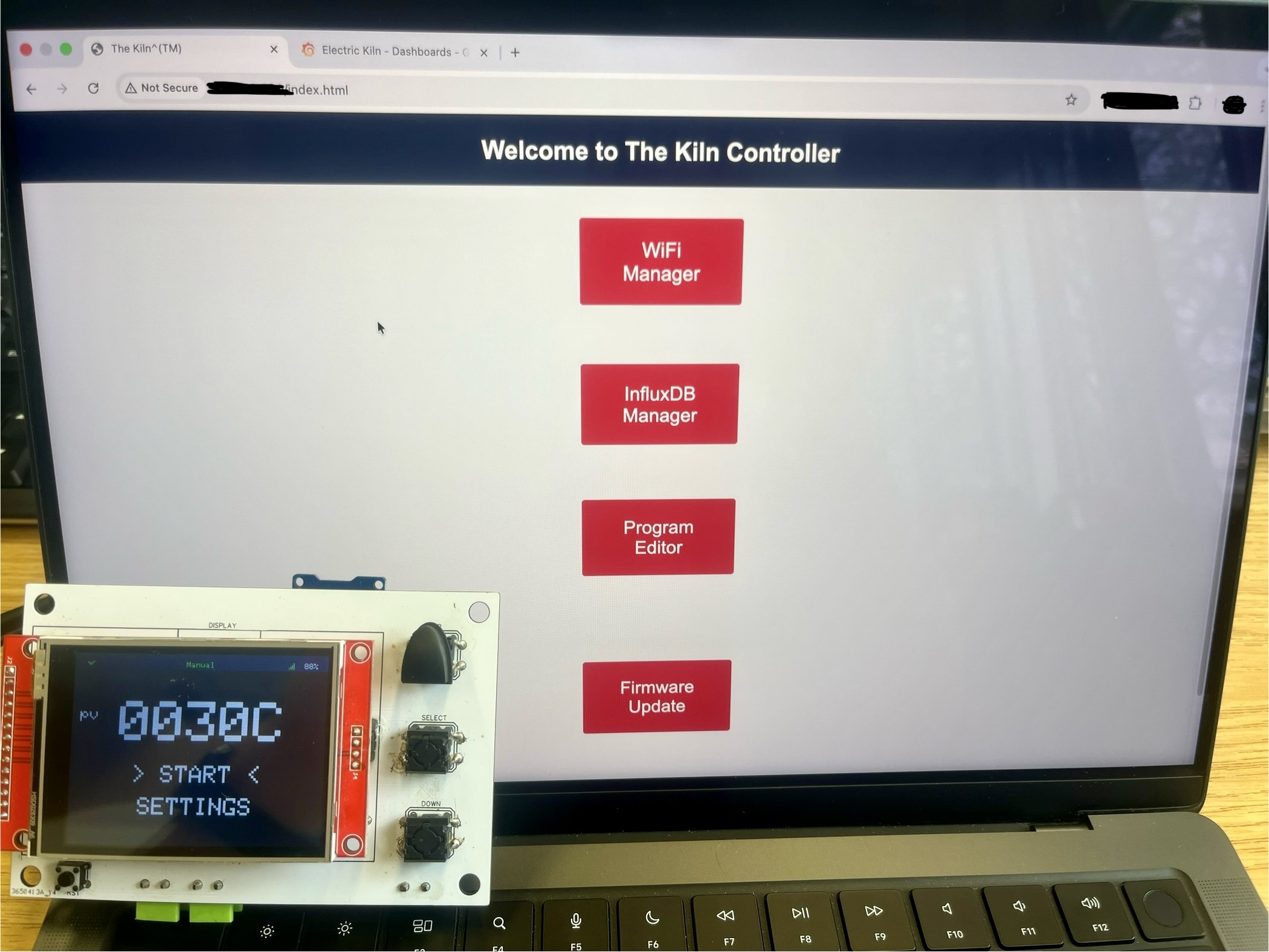
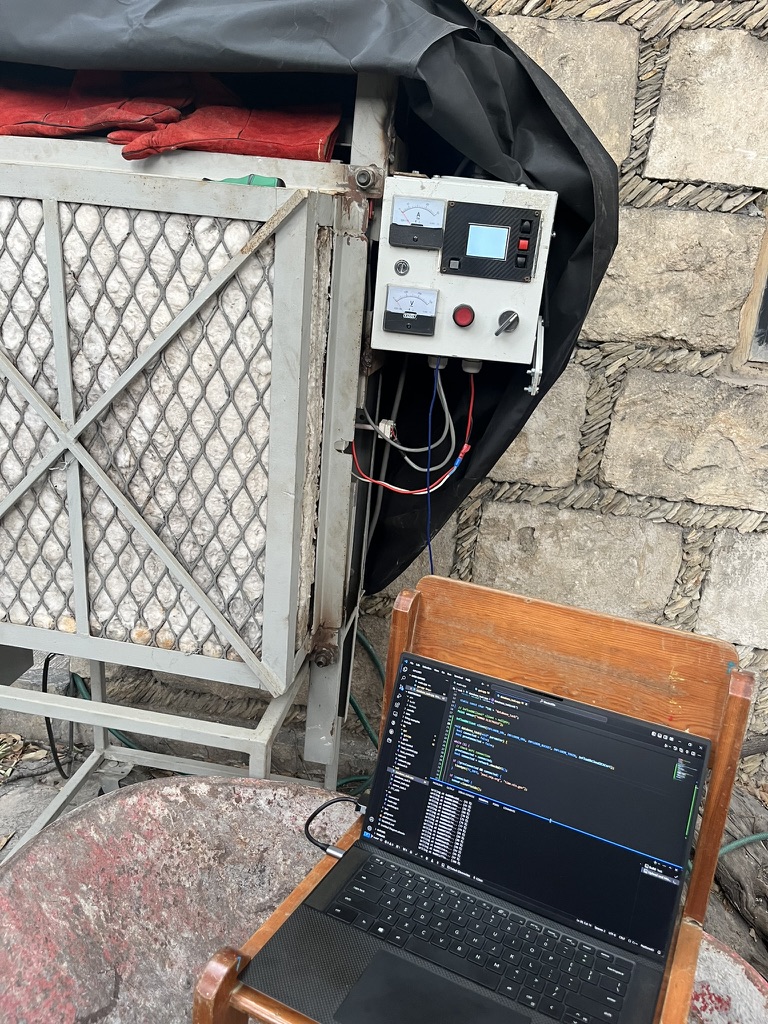
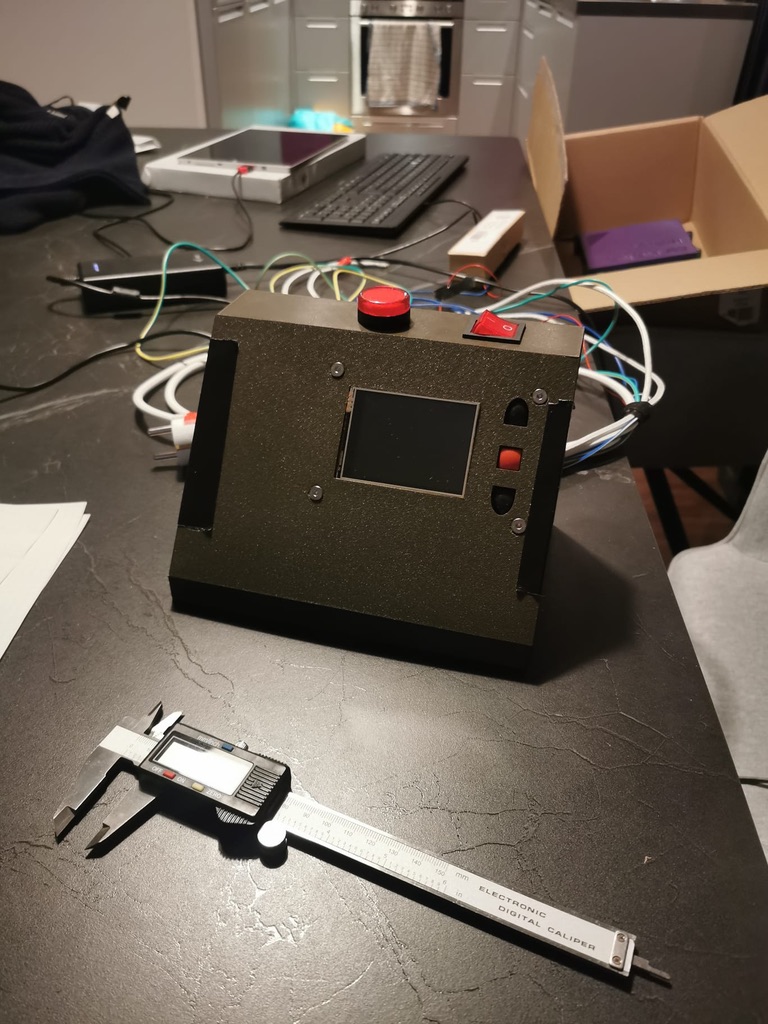
I built an open-source, DIY controller for electric kilns. Based on an ESP32 microcontroller it provides PID temperature control, a TFT display as an HMI, a web interface for creating and managing firing schedules and real-time data logging capability with InfluxDB and visualization in Grafana.
My first Kiln
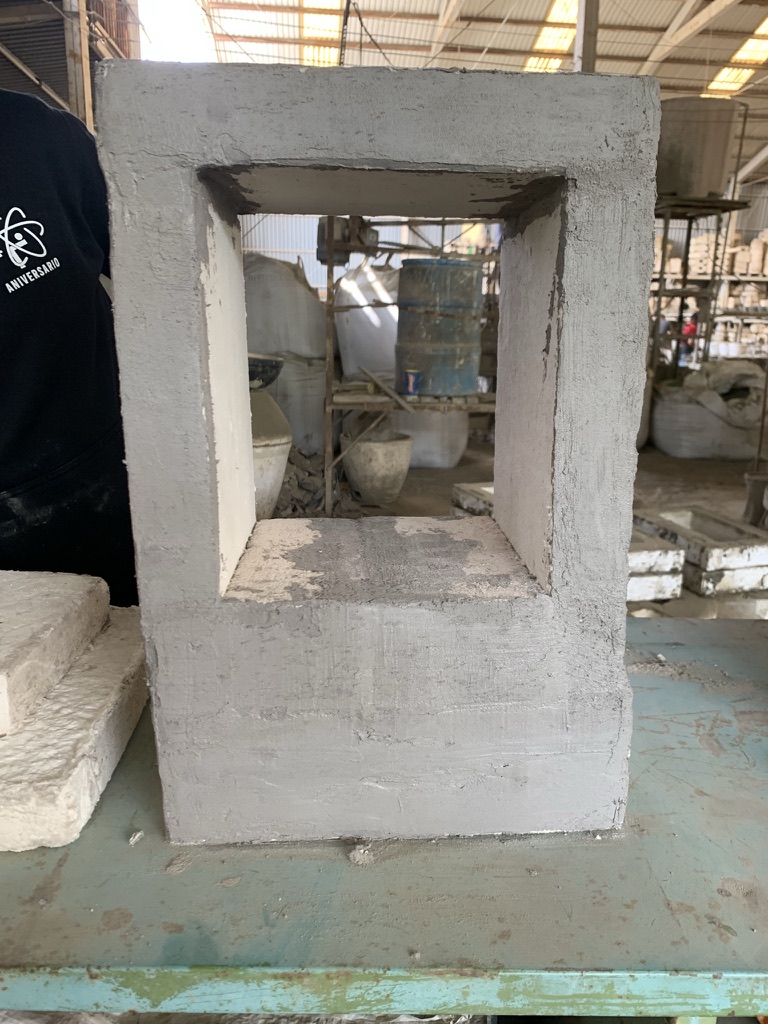
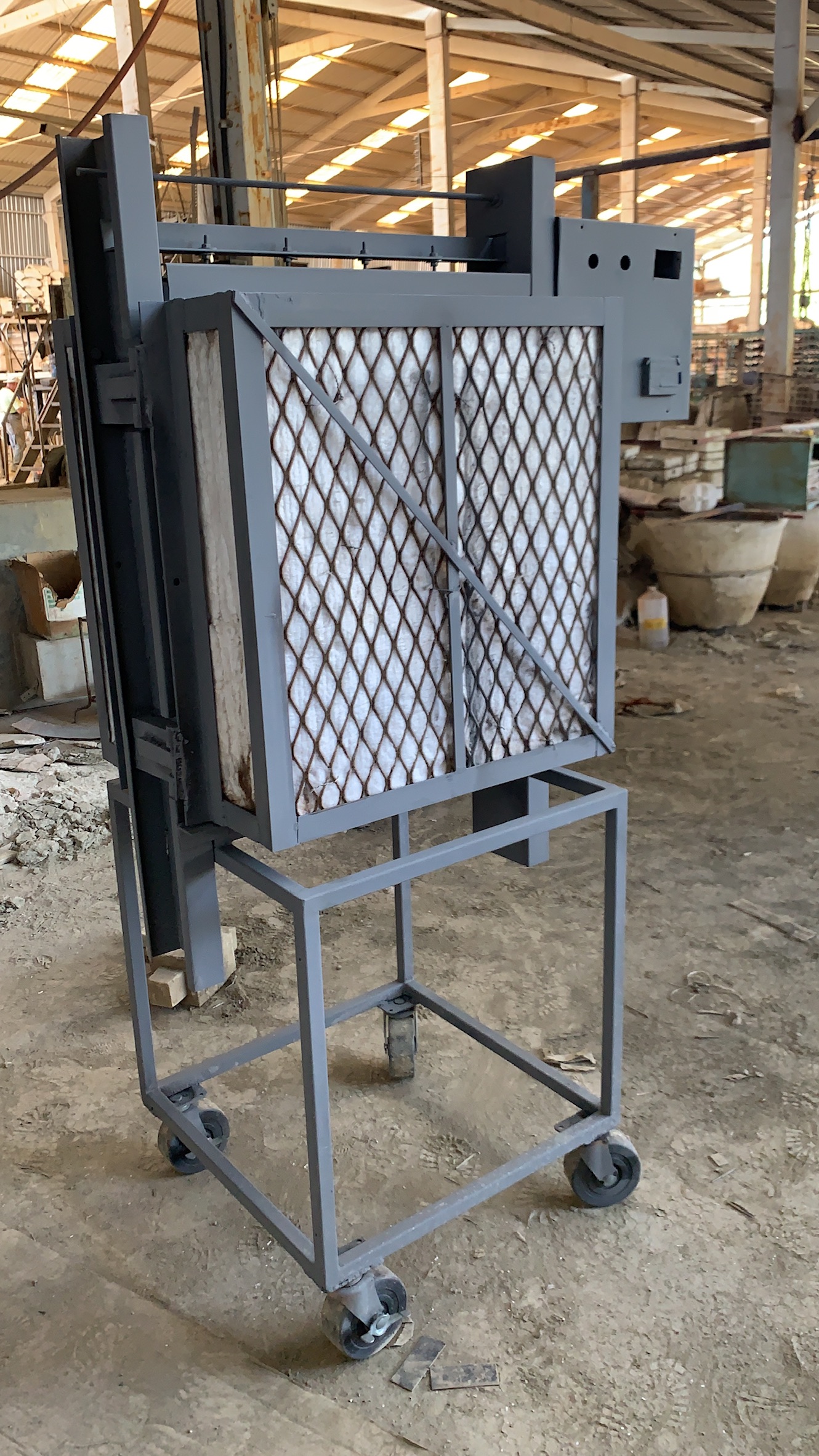
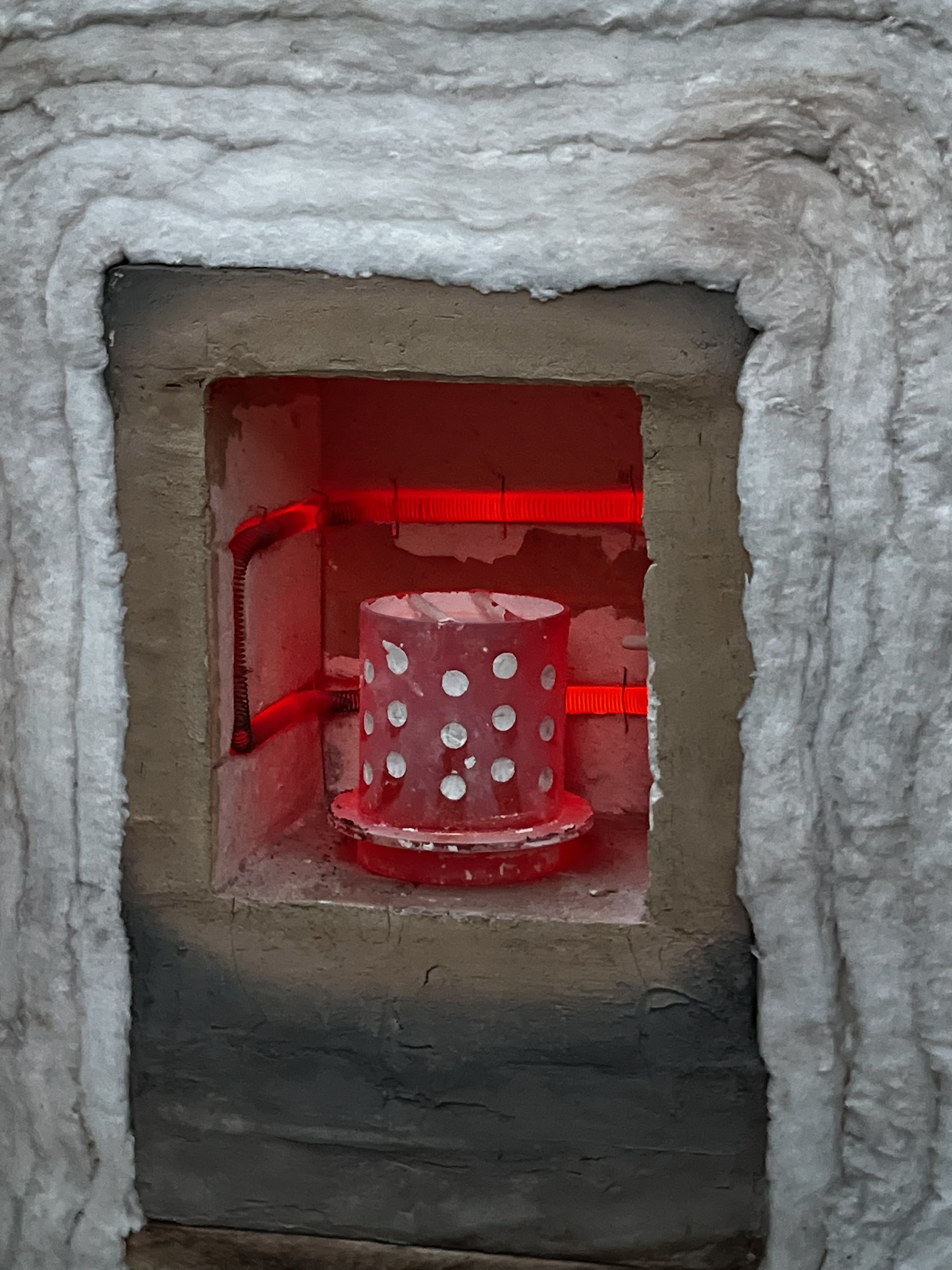
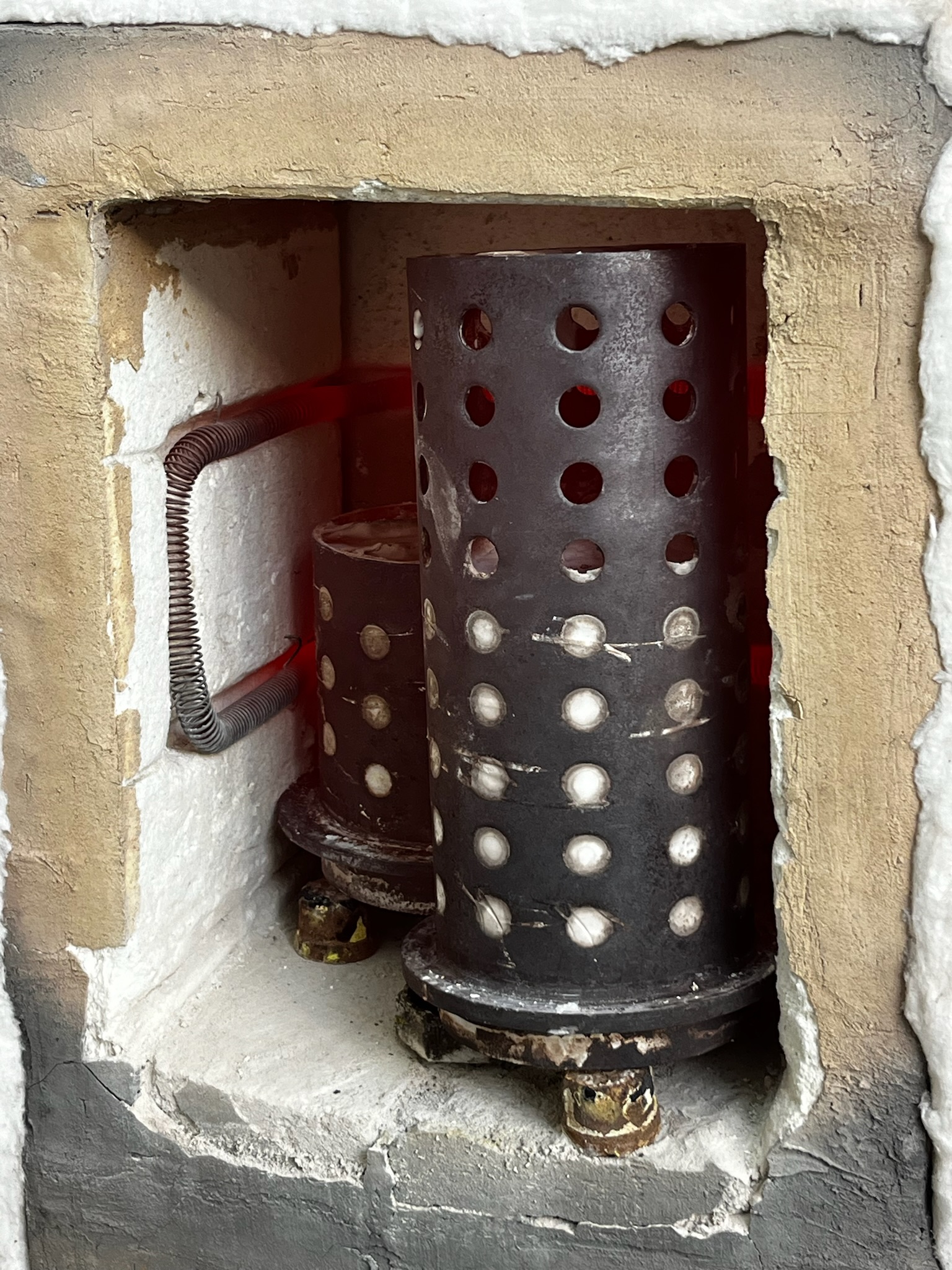
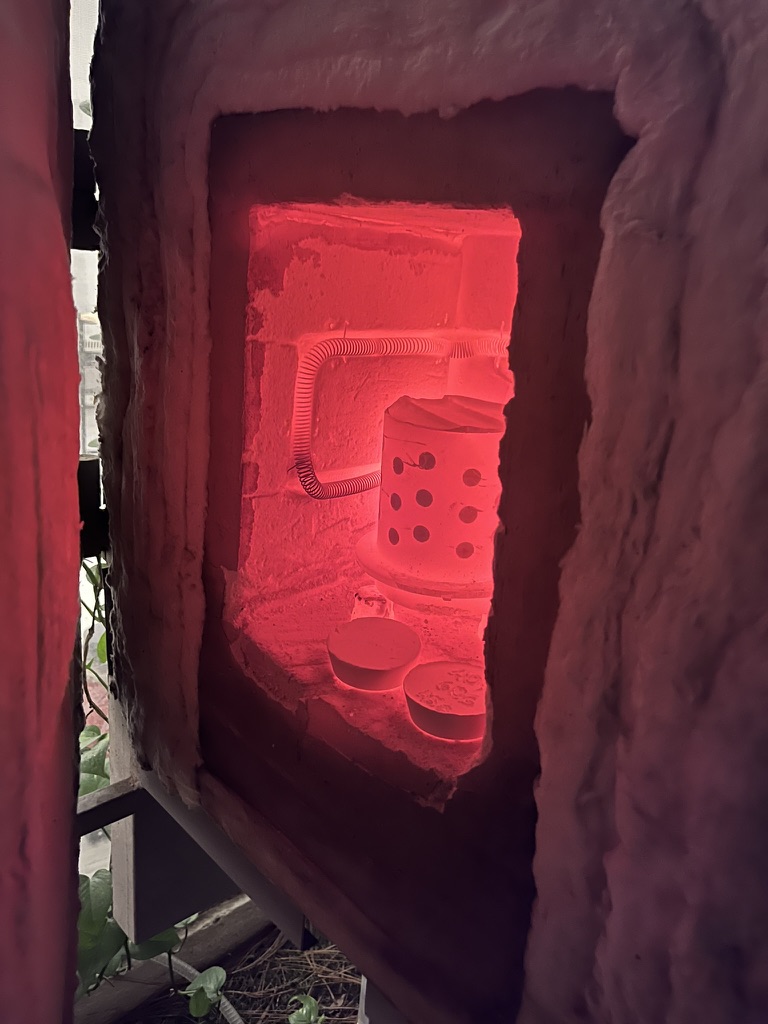
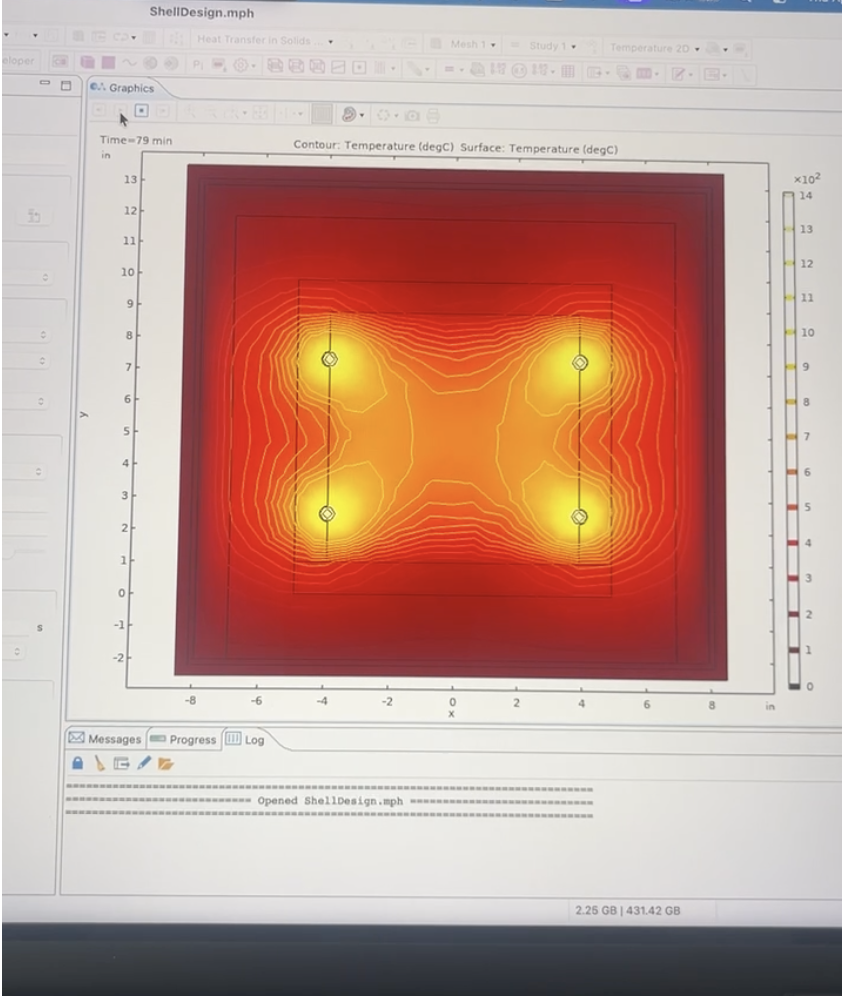
The first kiln was built oversized in collaboration with teammates from a CanSat competition, with the idea of using it to sinter metallic 3D filaments for rapid prototyping of CanSat parts. At the time I was also learning COMSOL Multiphysics in my physics degree, so I created a simple 2D heat transfer model of the kiln to validate design choices such as insulation thickness. We wanted to sinter at extremely high temperatures (>1250 °C), so I opted for a Kanthal heating element and lightweight high-temperature ceramic fiber boards for the inner body and ceramic fiber wool for outer insulation.
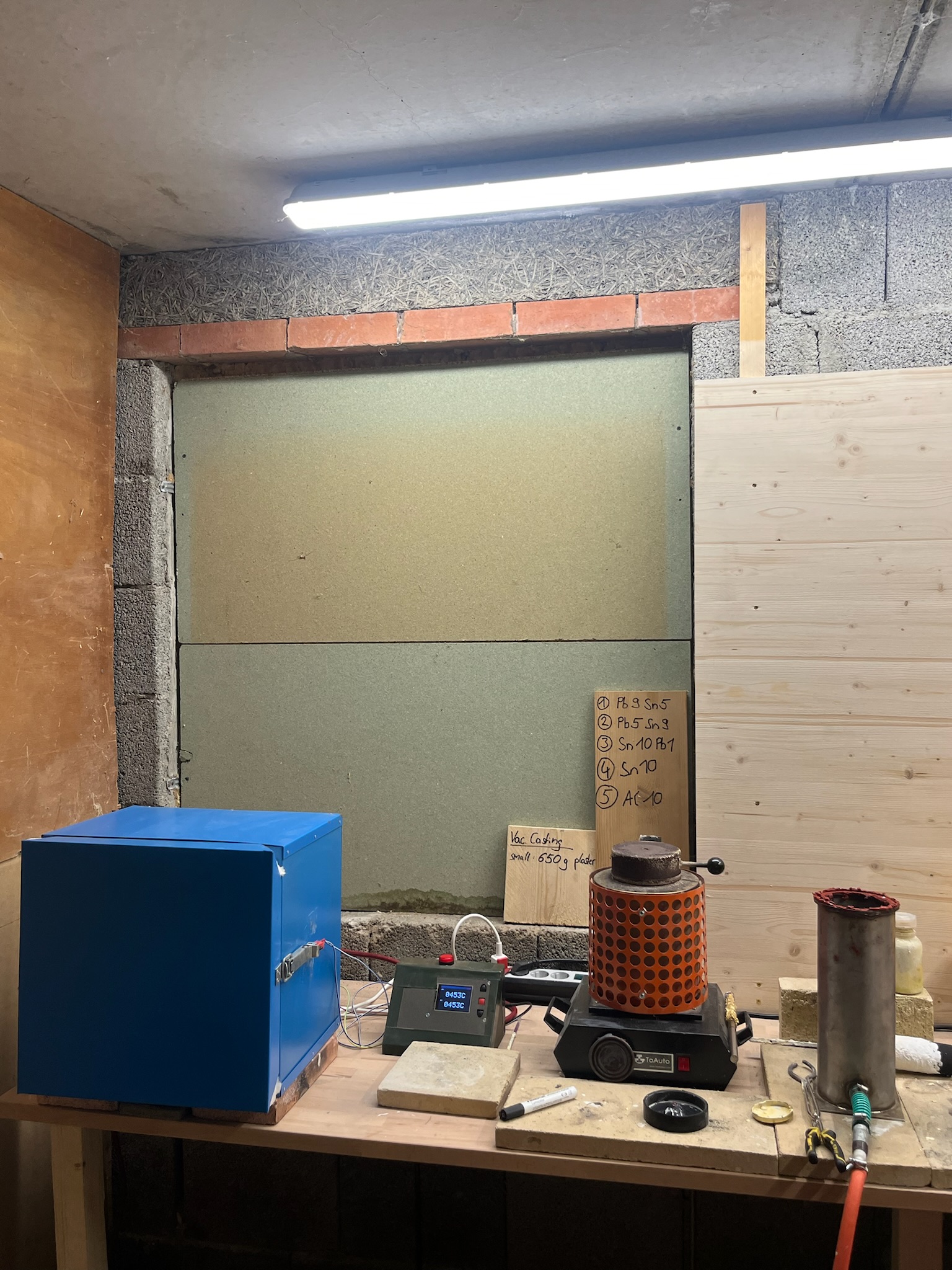
The simulations showed that the kiln would heat up very uniformly and rapidly — demonstrated in practice after successful construction. The control system for the kiln is the ESP32 kiln controller described above. After the CanSat project, the kiln eventually found a new home with my jewelry and casting endeavour with my cousin — La M Studio — where it has helped produce many molds and castings to this day.
Kiln 2 — Munich, with Elias
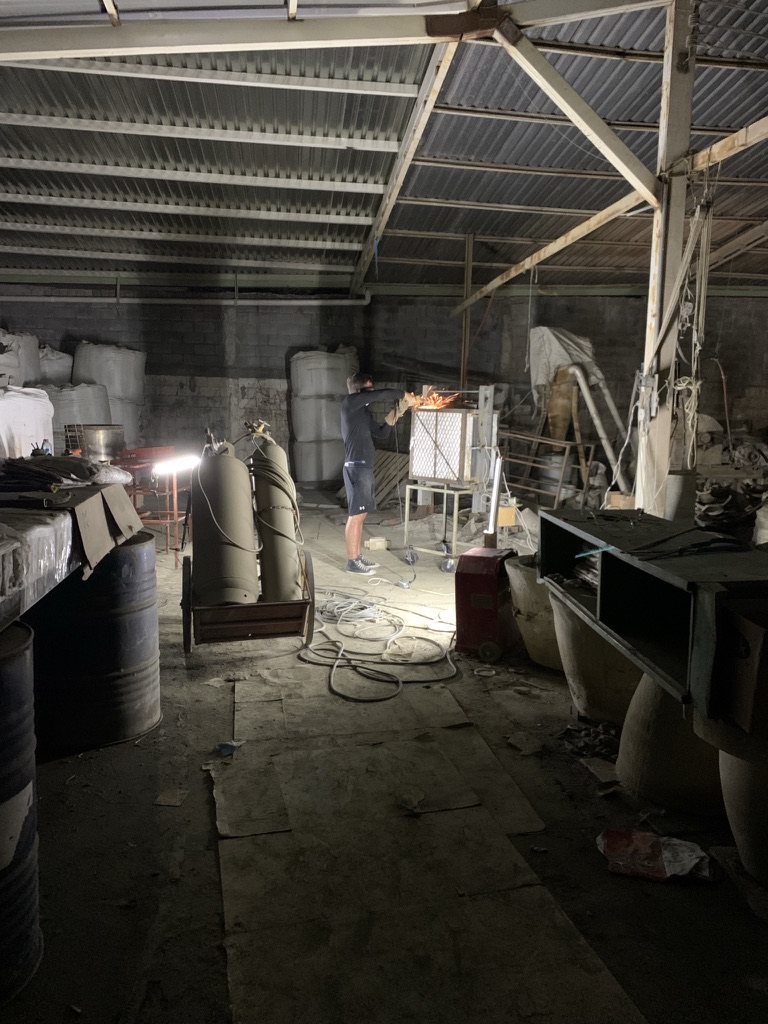
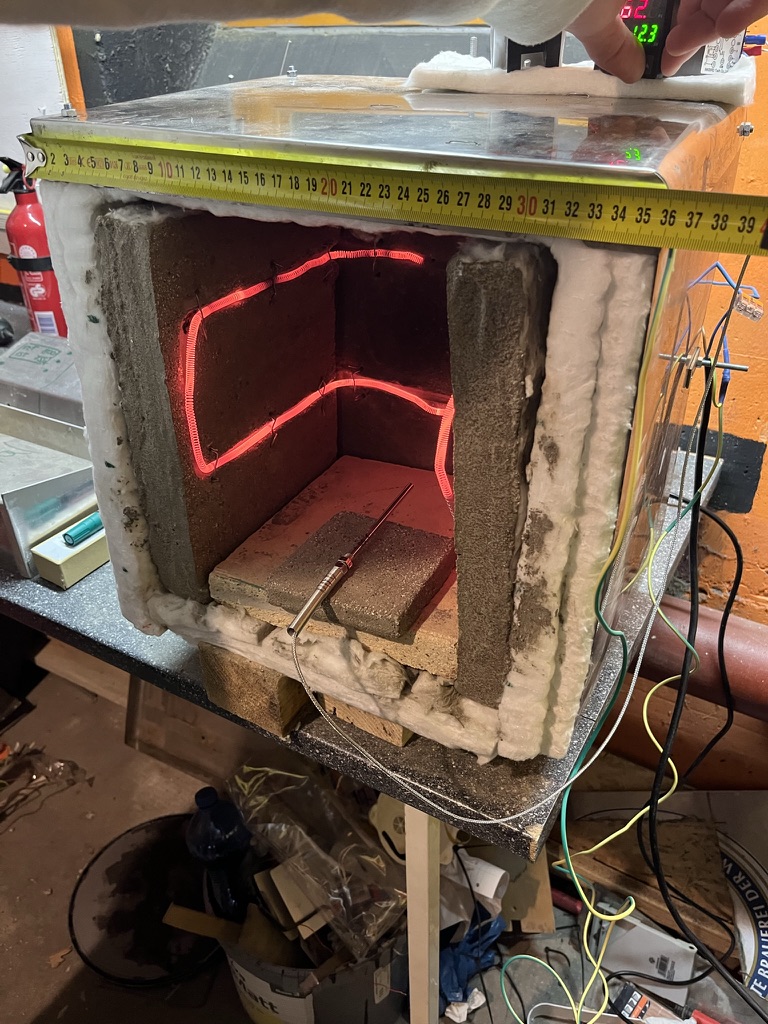
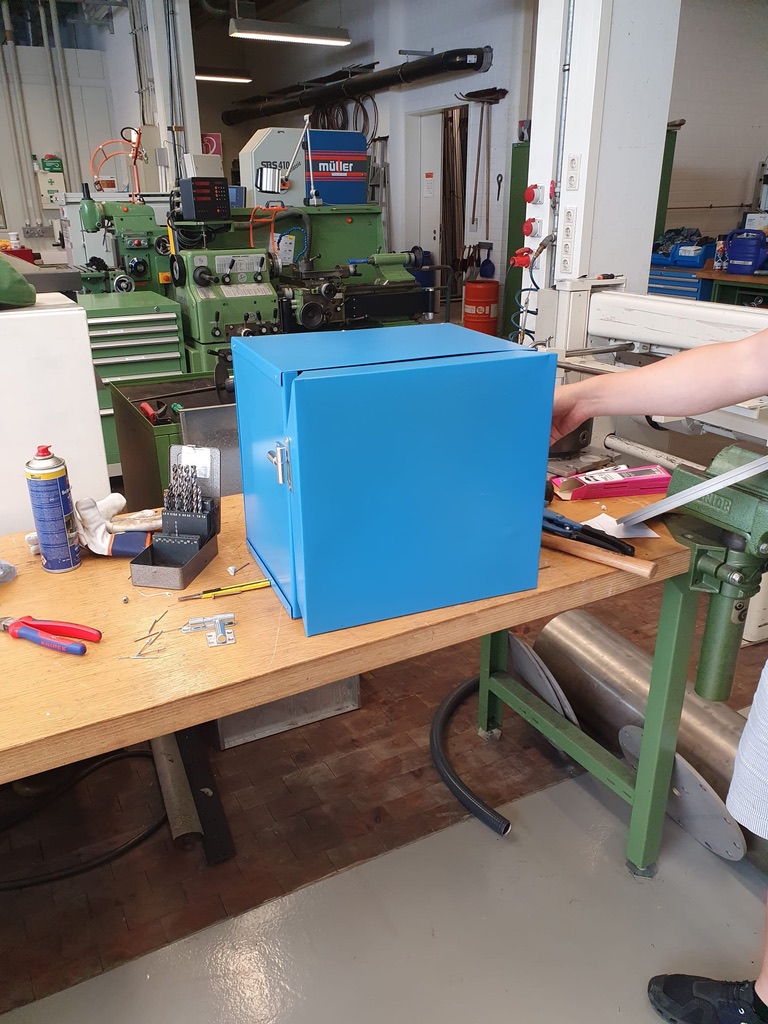
While on exchange in Munich, Germany, I established a very dear friendship with Elias Hasel — founder of Isar Pyrolysis — who also has a deep love for the process industry and casting and jewelry making in his spare time. Elias and I decided to collaborate on building a second kiln together at one of Studentenstadt's workshops and at TUM's makerspace.
The design process also utilized heat transfer simulations, but this time tuned for a much better size-to-power ratio. By using a 1-inch air gap between the inner shell of the kiln (again constructed from ceramic wool and fiber board) and the outer shell — both shells made of recycled steel from discarded laundry machines — we achieved a very efficient design that heats up rapidly and has very good thermal retention.
The control system is the same ESP32-based controller with some improvements, including a 3D-printed enclosure. Till this day, Elias constantly uses the kiln for his casting and jewelry projects. Building this kiln together was a blast.
What's Next
A controller idea I want to develop in the future is a dual-architecture model — a dedicated host controller (like a Raspberry Pi or similar SBC) handling the HMI and scheduling logic, offloading sensors, actuators and safety to a separate controller MCU. This host/controller split would make the firmware safer, more maintainable, and easier to extend. See the Host MCU Kiln Controller page for the current thinking.